
How we teach
In the Rehearsal Room
How we teach, and the values behind it.
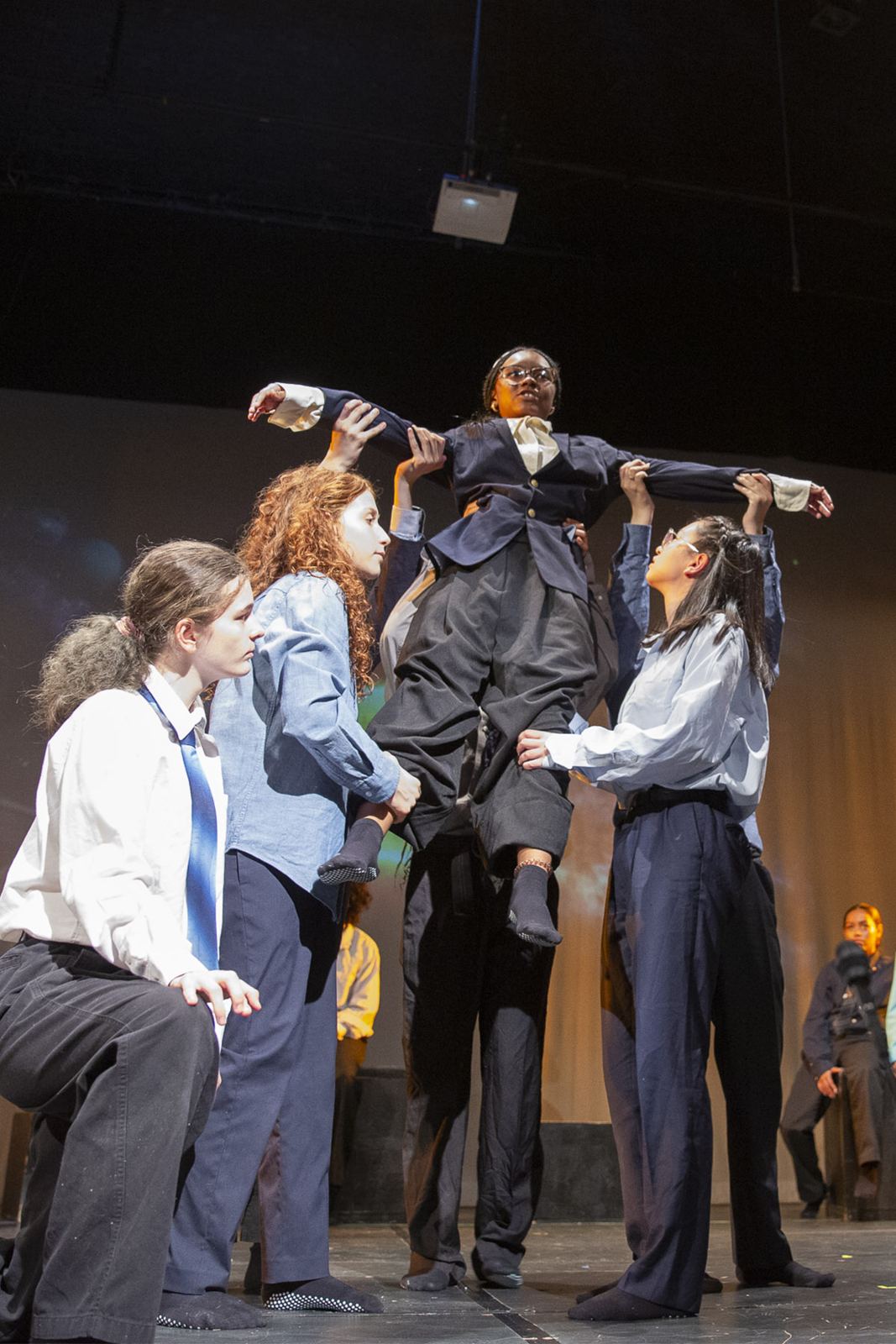
Photo: The Mythic Monster Cave, Spring 2026
Every student gets the stage
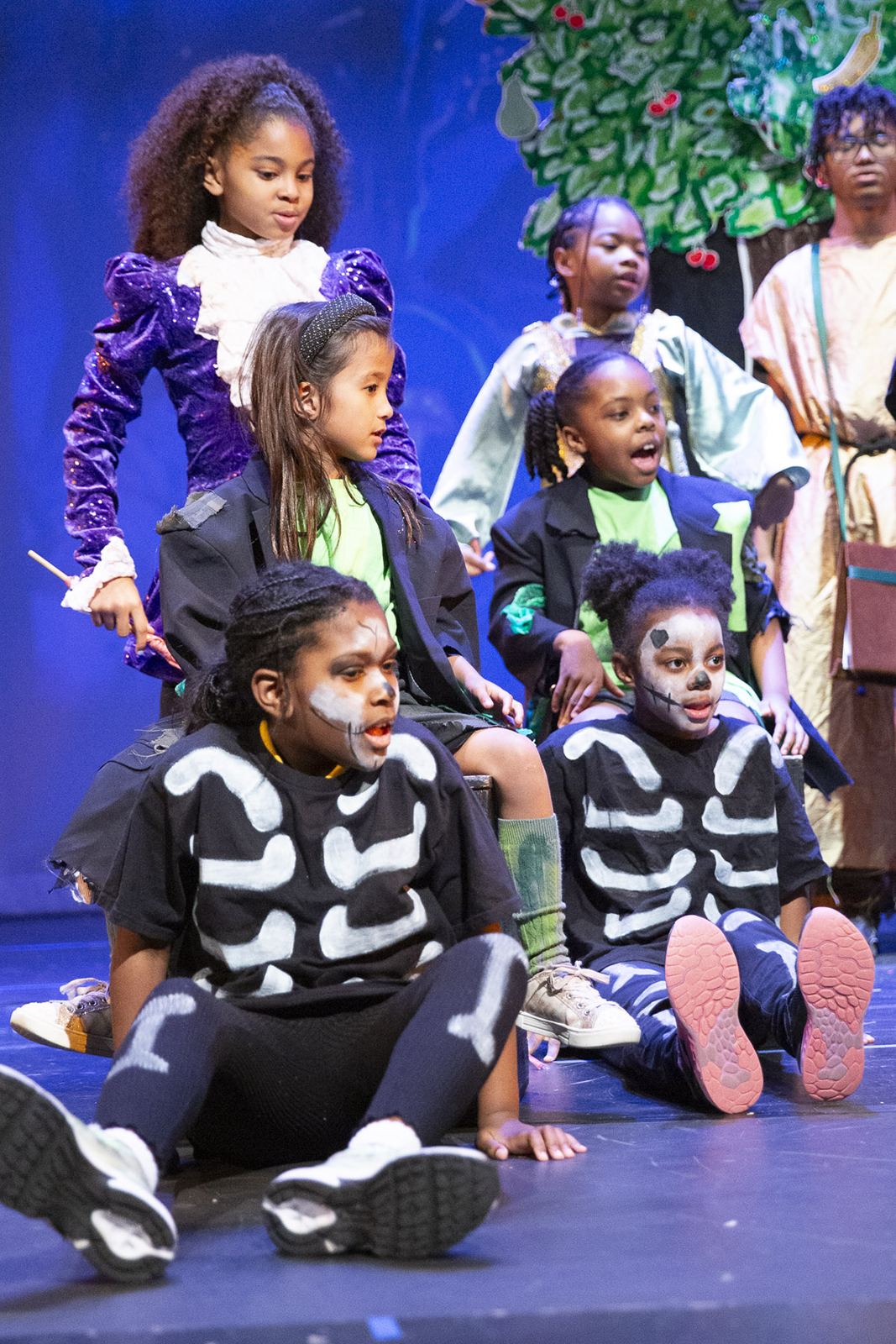
BCT’s anti-hierarchical rehearsal model ensures every student has equitable opportunity for spoken text, singing, and movement in every production. There are no “lead” roles, so stage time is shared equally.
Musicals written for this room
All original musicals are written by and for communities of color, and many are co-created with students in the Summer Writers Workshop.
The workshop pairs 20 BCT youth advisors with 20 professional musical theatre composers, lyricists, and book writers. Youth advisors are paid for their creative labor and work alongside the professional artists with equal creative authority.
Small groups, lots of grown-ups
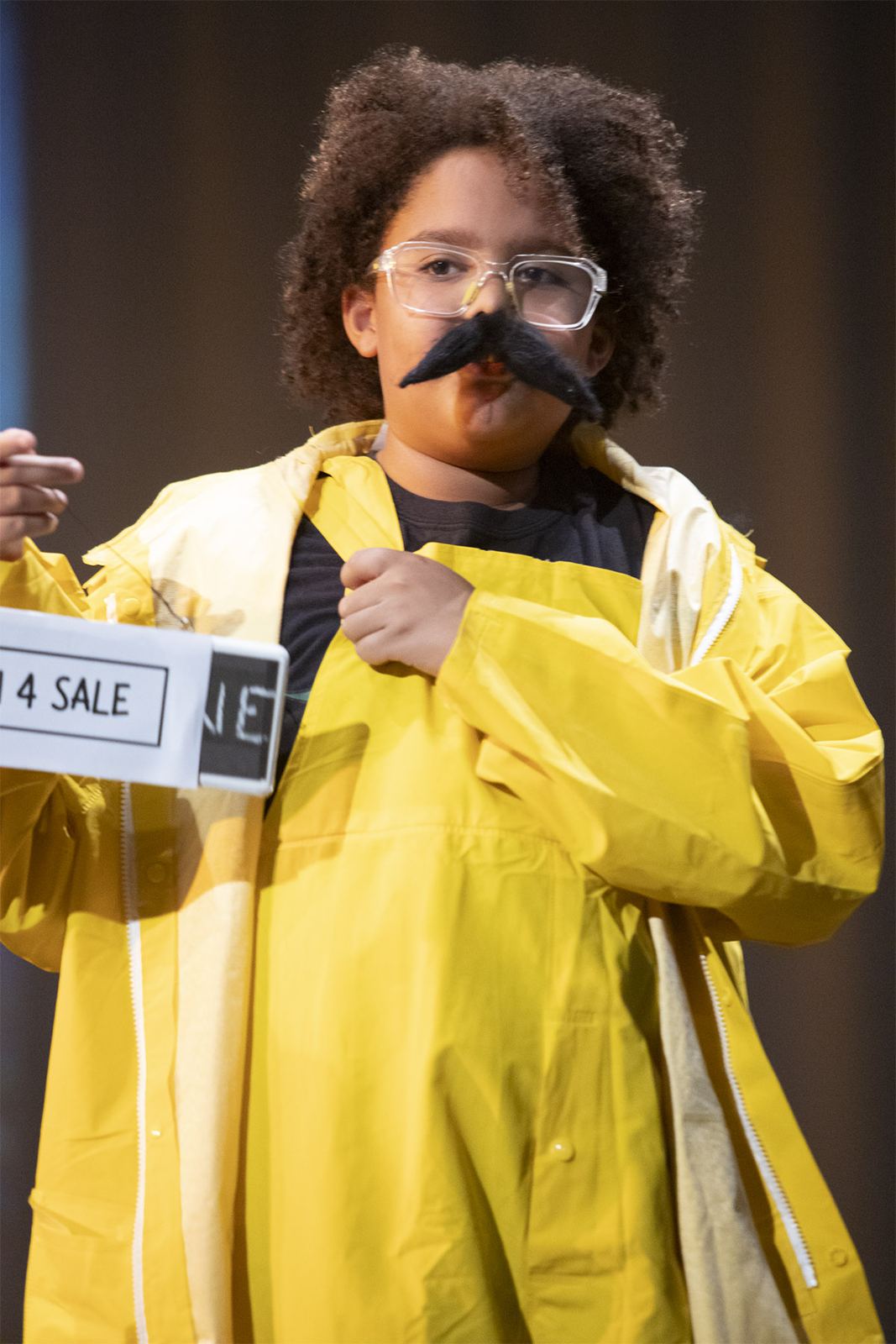
Each class is led by three teaching artists (a lead, a trainee, and a music director) plus two interns. That keeps a 3:1 student-teacher ratio, with no more than 18 students in a class.
Built for every kind of learner
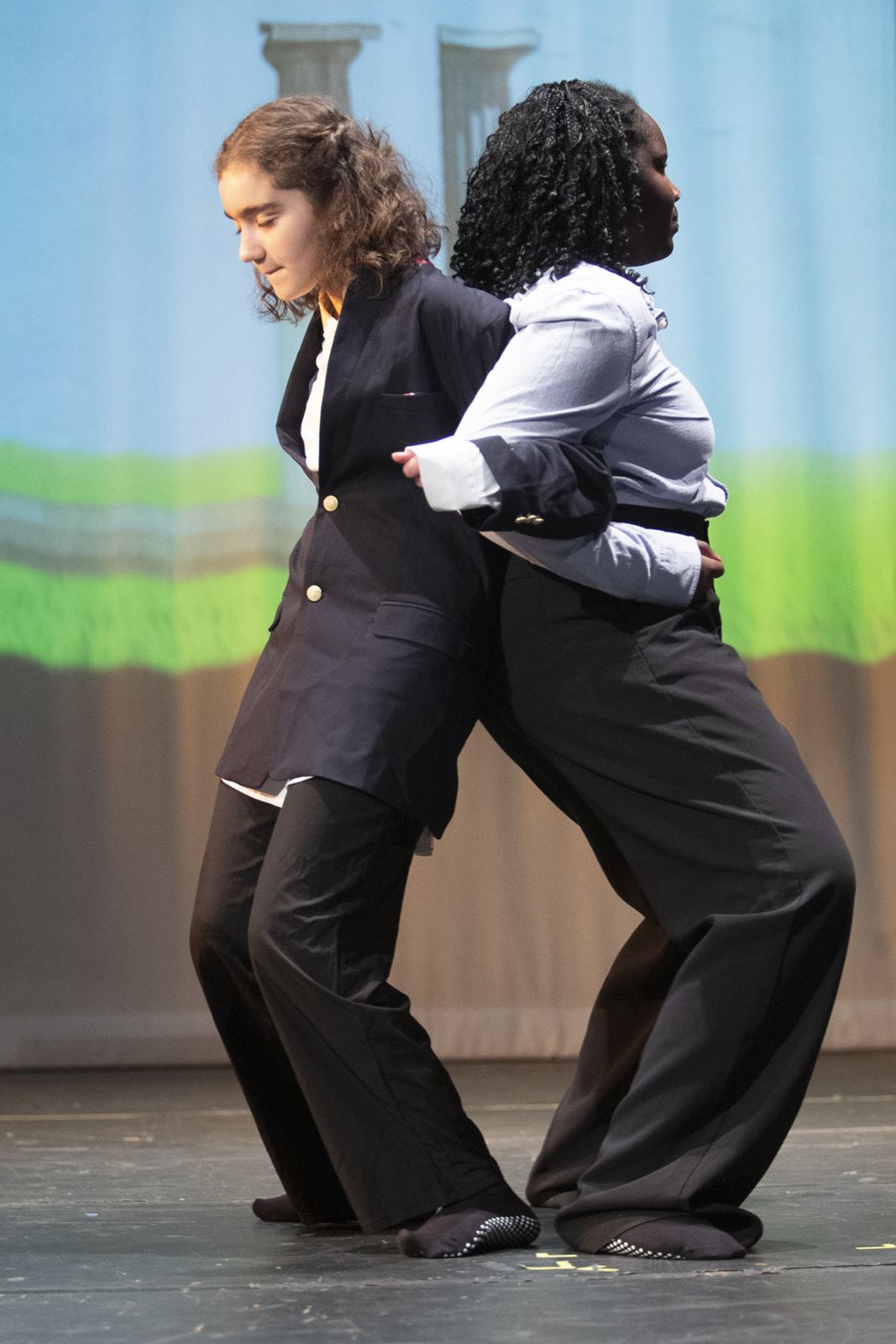
Our teaching draws on the NYC Blueprint for Teaching and Learning in the Arts, trauma-informed care, and Universal Design for Learning. From Universal Design for Learning, every class offers multiple means of engagement, representation, and action and expression.
Through our long partnership with NeuroCapable Consulting, staff and teaching artists train in neurodiversity and trauma-informed teaching, and our classrooms welcome all neurotypes. Social-emotional learning is embedded in every rehearsal, every performance, and every interaction between students and staff.
From student to teacher
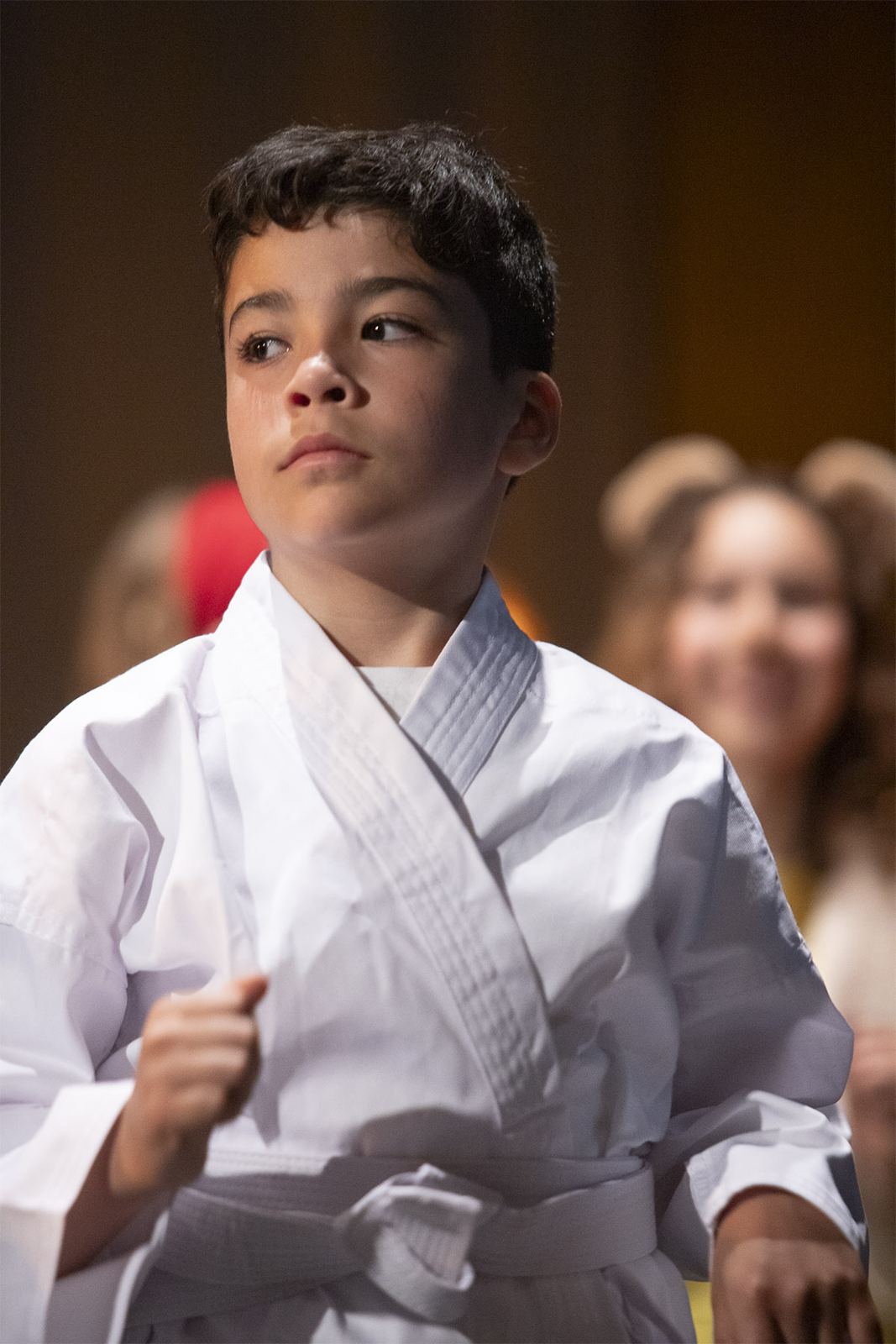
Three programs carry BCT students from the stage to the front of the classroom. Our High School and College Audition Workshop prepares students for performing arts school auditions, and our Paid Internship Program pays high school and college students for work in teaching and theatrical production. The Teaching Artist Training Program (TATP) then offers young adults 18 months of paid, on-the-job training to become professional teaching artists in musical theatre. Trainees are primarily BCT alumni: scholarship students who grew up in BCT’s programs and are now returning as educators.
Select a step to see what happens there.
Step 1: Scholarship student
MainStage runs on a sliding scale from $0 to $2,000, and the Free Weekend Program is 100% free for income-qualified families.
Need-based scholarships and Open Lottery enrollment, both introduced in 2020, keep cost from deciding who joins.
Step 2: Audition Workshop
A 10-week prep class for high school and college application auditions, serving up to 30 students a year, with scholarships available.
In the most recent workshop, all 13 students who chose a performing arts high school as their first choice were admitted. All 13 were low-income scholarship students.
Step 3: Paid intern
Launched in FY26, the Paid Internship Program pays high school and college students $18 an hour for work in teaching and theatrical production, with up to 39 positions a year.
Interns assist teaching artists and support performances, train in social-emotional learning and trauma-informed teaching, and juniors and seniors receive college or vocational school readiness coaching.
Step 4: TATP trainee
Trainees earn $30 an hour while training under a senior teaching artist and $40 an hour once leading independently, with $5 raises each year until they reach the maximum rate.
They train in trauma-informed instruction, Universal Design for Learning, neurodiversity-informed practice, and anti-hierarchical musical theatre.
Step 5: Lead teaching artist
TATP graduates lead their own classrooms at BCT and other NYC organizations.
BCT’s teaching artist team is 85% Black, brown, and/or Global Majority, so students see teachers who reflect their own backgrounds.
Step 6: Full-time arts educator
Four TATP graduates are now full-time arts teachers in NYC and New Jersey schools.
56%
of BCT’s teaching artist team are TATP graduates.
10 of 12
members of the first TATP cohort now hold teaching artist positions at BCT and other NYC organizations.
Cost never decides who belongs
At least 75% of our students attend on some form of financial aid, and no student is ever turned away based on income.
How we know it’s working
We track growth through Hello Insight surveys at the start and end of each fall season, along with student and family testimonials.
100%
of teens grew in at least one social-emotional learning capacity in FY26.
The values behind it
- Equity
- Belonging
- Community
- Compassion
- Creativity
- Pathways